
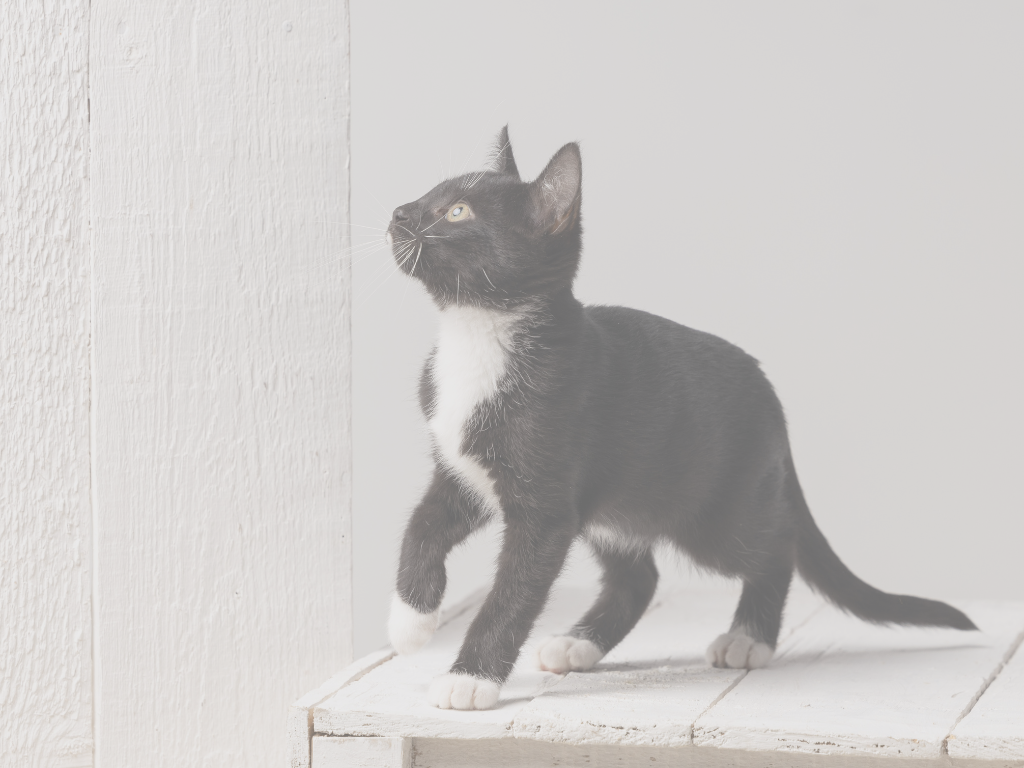
Chronic kidney disease (CKD) is one of the most common health challenges faced by aging cats, affecting an estimated 30–50% of cats over 10 years old. Since CKD is progressive and irreversible, early nutritional intervention becomes a cornerstone of management. The right diet and supplements can slow disease progression, reduce symptoms, and dramatically improve quality of life.
Why Kidney Health Is So Critical for Cats
A cat’s kidneys filter waste products from the blood, balance electrolytes, and regulate hydration. When kidney function declines, toxins like urea and creatinine build up in the bloodstream, leading to:
- Increased thirst and urination
- Weight loss and muscle wasting
- Lethargy
- Nausea and poor appetite
Because symptoms often appear late, proactive nutritional support—even before diagnosis—can help maintain kidney function.
How Nutrition Supports Kidney Health
1. Controlled Protein Intake
Protein metabolism produces uremic toxins that failing kidneys struggle to eliminate. A diet with moderate, high-quality protein:
- Reduces the workload on kidneys
- Preserves lean muscle mass
- Minimizes toxin buildup
2. Restricted Phosphorus
Excess phosphorus accelerates kidney damage by causing secondary hyperparathyroidism. Studies show phosphorus restriction slows CKD progression and improves survival rates.
- Sources of phosphorus: Meat by-products, certain grains.
- Tip: Renal-support diets are formulated with reduced phosphorus.
3. Omega-3 Fatty Acids (EPA/DHA)
These anti-inflammatory fats help protect glomerular structures and reduce proteinuria (protein loss in urine).
4. Antioxidants (Vitamin E, C, Selenium)
Oxidative stress contributes to renal damage. Antioxidants neutralize free radicals and support cellular health.
5. B-Vitamins
Cats with CKD lose water-soluble B-vitamins through increased urination. Supplementation helps prevent deficiencies that contribute to anemia and poor appetite.
Hydration: A Top Priority
Cats with CKD are prone to dehydration due to their inability to concentrate urine. Strategies to increase water intake:
💧 Offer canned food or add water to kibble
💧 Provide multiple fresh water sources around the home
💧 Consider water fountains to encourage drinking
Supplementation for Kidney Support
Even with high-quality renal diets, additional supplementation can be valuable:
- Omega-3s: Reduce inflammation and proteinuria
- Antioxidant blends: Support cellular resilience
- Phosphate binders: Prevent phosphorus absorption from food
Van Beek’s feline formulations include bioavailable vitamins, antioxidants, and omega-3s designed to complement veterinary treatment plans for kidney health.
Early Signs Owners Should Watch For
✅ Drinking more water than usual
✅ Frequent urination
✅ Poor appetite
✅ Weight loss
✅ Lethargy
Early veterinary screening (bloodwork and urinalysis) is critical for cats over age 7.
Practical Tips for Cat Owners
- 🥫 Gradually transition to a renal-support diet under veterinary supervision.
- 🧪 Schedule regular check-ups to monitor kidney function (every 3–6 months).
- 🥤 Encourage hydration with broths or flavored water.
- 💊 Discuss supplements with your vet for additional support.
Conclusion
While CKD is a serious diagnosis, it’s not a hopeless one. With proactive nutrition, supplements, and veterinary care, many cats live years with excellent quality of life—even after diagnosis. Nutrition truly is a life-extending tool for our feline companions.