
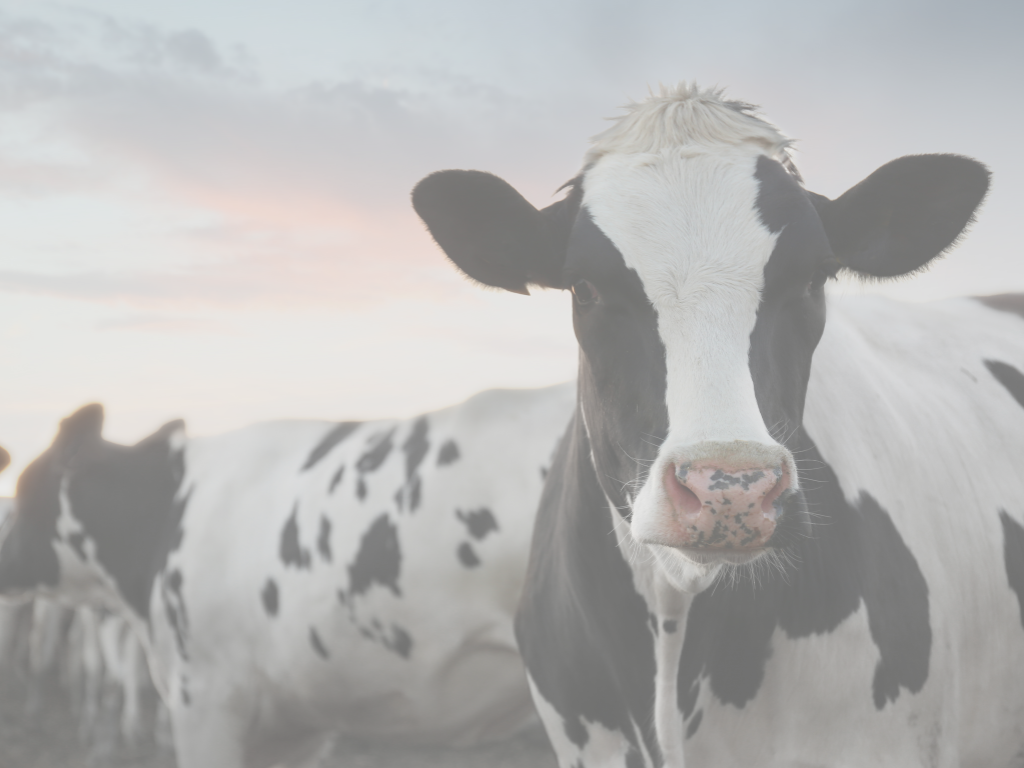
Stress is an unavoidable reality in cattle production. Whether from handling, transportation, weather changes, or health challenges, stress impacts the well-being and productivity of your herd more than you might realize.
While short-term stress can sometimes be managed naturally, repeated or prolonged stress has serious consequences — it can suppress immune function, reduce feed intake, and negatively affect growth and reproduction. Understanding how stress affects cattle and how to support them nutritionally is key to maintaining a healthy, productive herd.
What Happens to Cattle During Stress?
When cattle face stress, their bodies release cortisol, a hormone designed to help them respond to immediate threats. Cortisol mobilizes energy reserves and modulates various body functions to improve survival chances in the short term.
However, when stress is ongoing or repeated, elevated cortisol has several negative effects:
- Immune suppression: High cortisol levels reduce the activity of white blood cells, making cattle more susceptible to infections such as respiratory disease and scours.
- Digestive disruption: Stress changes rumen microbial populations and reduces feed intake, impairing digestion and nutrient absorption.
- Reduced growth and reproduction: Chronic stress delays growth rates and can impact fertility in breeding animals.
Common Stressors in Cattle Production
Stress can arise from many sources, including:
- Transportation and weaning: Both involve social disruption, new environments, and changes in diet.
- Handling and processing: Procedures like vaccination or tagging cause acute stress responses.
- Environmental stress: Extreme temperatures, humidity, or overcrowding can cause chronic stress.
- Disease challenges: Illness itself is a stressor, and sick animals experience physiological strain.
The Role of Nutrition in Managing Stress
Nutrition plays a vital role in helping cattle cope with stress. Proper supplementation can reduce the negative impacts of stress and speed recovery.
Support Energy Metabolism with B-Vitamins
B-vitamins, especially B1 (thiamine), B6 (pyridoxine), and B12 (cobalamin), are cofactors in metabolic pathways that generate energy from feed. Stress increases energy demands, so supplementing these vitamins can help animals meet the heightened requirements.
Provide Antioxidants to Combat Oxidative Stress
Stress elevates oxidative stress — the production of damaging free radicals in the body. Antioxidants like Vitamin E and selenium protect tissues by neutralizing free radicals. Adequate antioxidant status supports immune cells and reduces tissue damage during stress.
Maintain Hydration and Electrolyte Balance
Stress often reduces water intake, which can impair digestion and metabolic function. Electrolytes like sodium, potassium, and chloride are critical for nerve and muscle function, and supplementation supports hydration status during heat stress or dehydration.
Stabilize the Gut Microbiome with Probiotics and Synbiotics
Stress alters the rumen and intestinal microbial populations, increasing the risk of digestive upset and reducing feed efficiency. Probiotic supplements introduce beneficial bacteria, while prebiotics feed native microbes. Together as synbiotics, they help restore microbial balance and improve gut integrity.
Research Highlights
Studies have demonstrated the benefits of nutritional support during stress:
- Cattle supplemented with B-vitamins and antioxidants showed improved weight gain and reduced incidence of respiratory disease after transport.
- Probiotic use during weaning reduced diarrhea and improved growth in calves.
- Electrolyte supplementation during heat stress maintained feed intake and hydration status.
Practical Recommendations for Producers
- Plan ahead: Provide nutritional support before known stress events like transport or vaccination.
- Use targeted supplements: Incorporate B-vitamin and antioxidant products designed for rapid absorption during stressful periods.
- Maintain consistent feeding: Avoid sudden ration changes around stress events.
- Work with your nutritionist: Tailor supplementation protocols based on herd needs and local conditions.
Conclusion
Stress is inevitable, but its impact on your herd doesn’t have to be detrimental. By understanding how stress affects cattle physiology and leveraging nutrition strategically, you can help your animals maintain immunity, feed efficiency, and overall health — keeping your operation productive and profitable year-round.
Van Beek Natural Science offers nutritional tools that provide key vitamins, antioxidants, and gut health support to help cattle weather stressful periods with minimal performance loss.