
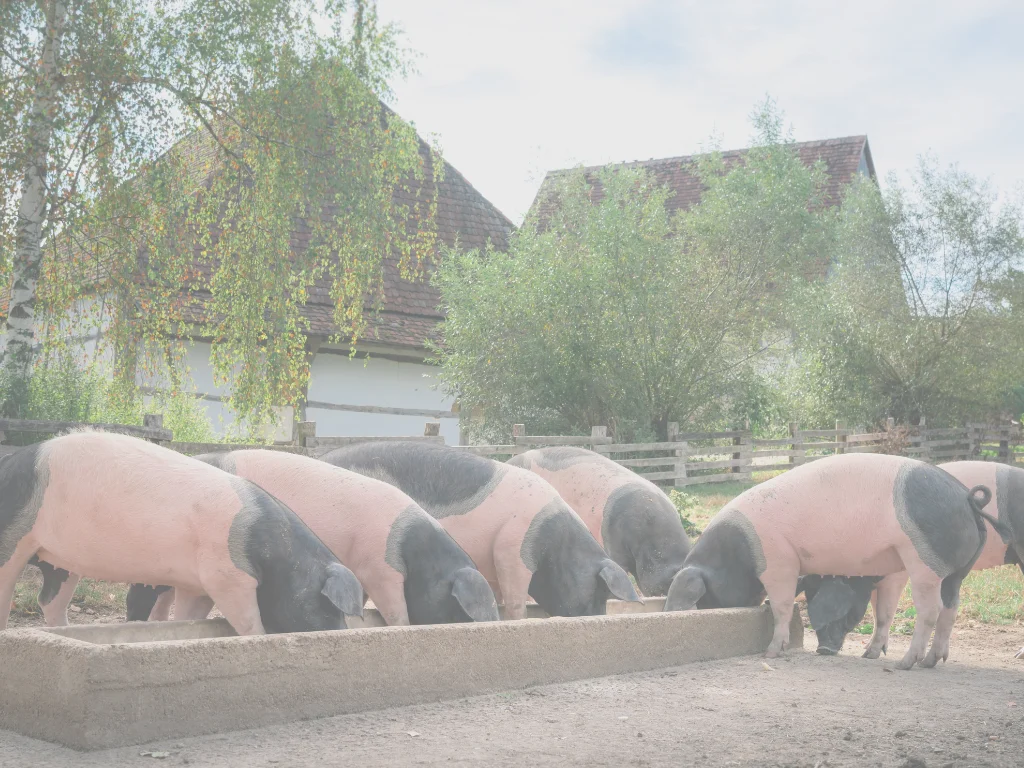
Feed efficiency — the ratio of weight gain to feed consumed — is a key performance indicator in commercial swine production. Since feed costs represent up to 70% of total production expenses, even small improvements in feed efficiency can substantially improve profitability.
Understanding Feed Efficiency
Feed efficiency reflects how well pigs convert the nutrients they consume into body mass. Multiple factors influence feed efficiency, including genetics, diet formulation, animal health, and management practices. Improving efficiency means less feed per pound of gain, which lowers costs and reduces environmental impact.
Key Factors Affecting Feed Efficiency
- Genetics: Some genetic lines are naturally more feed-efficient due to better digestion, metabolism, and growth rates. Working with genetics suppliers to select efficient lines is a foundational step.
- Feed Quality and Formulation:
- Balanced rations with the right protein, energy, fiber, vitamins, and minerals are critical.
- Over- or under-supplying nutrients wastes feed or limits growth.
- Ingredient quality affects digestibility; inconsistent batches can reduce performance.
- Balanced rations with the right protein, energy, fiber, vitamins, and minerals are critical.
- Gut Health and Microbiome:
- A healthy, balanced gut microbiome enhances nutrient absorption and reduces digestive disturbances like diarrhea and acidosis.
- Stress, antibiotics, and diet changes can disrupt microbial balance and impair efficiency.
- A healthy, balanced gut microbiome enhances nutrient absorption and reduces digestive disturbances like diarrhea and acidosis.
- Health Status:
- Illness and inflammation divert energy from growth toward immune responses.
- Respiratory or enteric diseases reduce appetite and feed utilization.
- Illness and inflammation divert energy from growth toward immune responses.
- Management and Environment:
- Stressors such as overcrowding, heat, or poor ventilation depress feed intake and growth.
- Feeding strategies, including frequency and feed form (pellets vs mash), impact intake consistency and efficiency.
- Stressors such as overcrowding, heat, or poor ventilation depress feed intake and growth.
Nutritional Strategies to Improve Feed Efficiency
- Precision Nutrition: Work with a swine nutritionist to formulate diets that meet but don’t exceed nutrient requirements, optimizing cost and growth.
- Feed Additives:
- Enzymes (e.g., phytase) improve nutrient availability from feed ingredients.
- Probiotics and Synbiotics: Help maintain rumen and gut microbial balance, improving digestion and health. Van Beek Natural Science’s Synacore® is designed for this purpose.
- Organic acids: Lower gut pH, improving mineral solubility and pathogen control.
- Enzymes (e.g., phytase) improve nutrient availability from feed ingredients.
- Stable Feeding Regimens: Avoid sudden feed changes and maintain consistent feeding times to promote steady intake and digestion.
Research Highlights
Studies show that probiotic and synbiotic supplementation can improve feed conversion ratios by 3-5% in commercial swine herds. Enzyme use increases phosphorus availability, reducing feed cost and environmental phosphorus excretion.
Practical Tips for Producers
- Monitor feed intake and growth rates regularly to identify issues early.
- Maintain proper feed storage to prevent spoilage and mycotoxin contamination.
- Work with your nutritionist to adjust diets as genetics, health, and market conditions change.
- Consider integrating liquid vitamin-mineral supplements like BoviDrops® to support overall nutrient balance and gut health.
Conclusion
Optimizing feed efficiency requires a holistic approach combining genetics, nutrition, health management, and environmental control. Strategic use of feed additives and careful ration formulation can unlock significant gains, reducing feed costs and improving sustainability in commercial swine operations.